
Surface Soil Stabilization After Utility Work in Central Illinois
Helping Bare Soil Stay in Place After the Ground Has Been Disturbed
Bare soil does not stay put for long. After outside work disturbs the ground, the surface may be left loose, muddy, uneven, or exposed. At first, that may only look like an unfinished area. However, once rain hits, exposed soil can wash away, collect in low spots, track across nearby surfaces, or keep grass from coming back evenly. Midstate Land Solutions provides soil stabilization after utility work in Central Illinois for utility companies, contractors, municipalities, commercial property owners, homeowners, and landowners.
We help stabilize disturbed ground using the services we already specialize in, including land grading, yard drainage correction, hydroseeding, land clearing, mulching, landscaping repair, and cleanup. When unstable soil is part of a larger property restoration need, Midstate can also help with broader land restoration after utility work so the ground looks finished, drains better, and holds up after weather moves through.
Where Soil Stabilization Fits
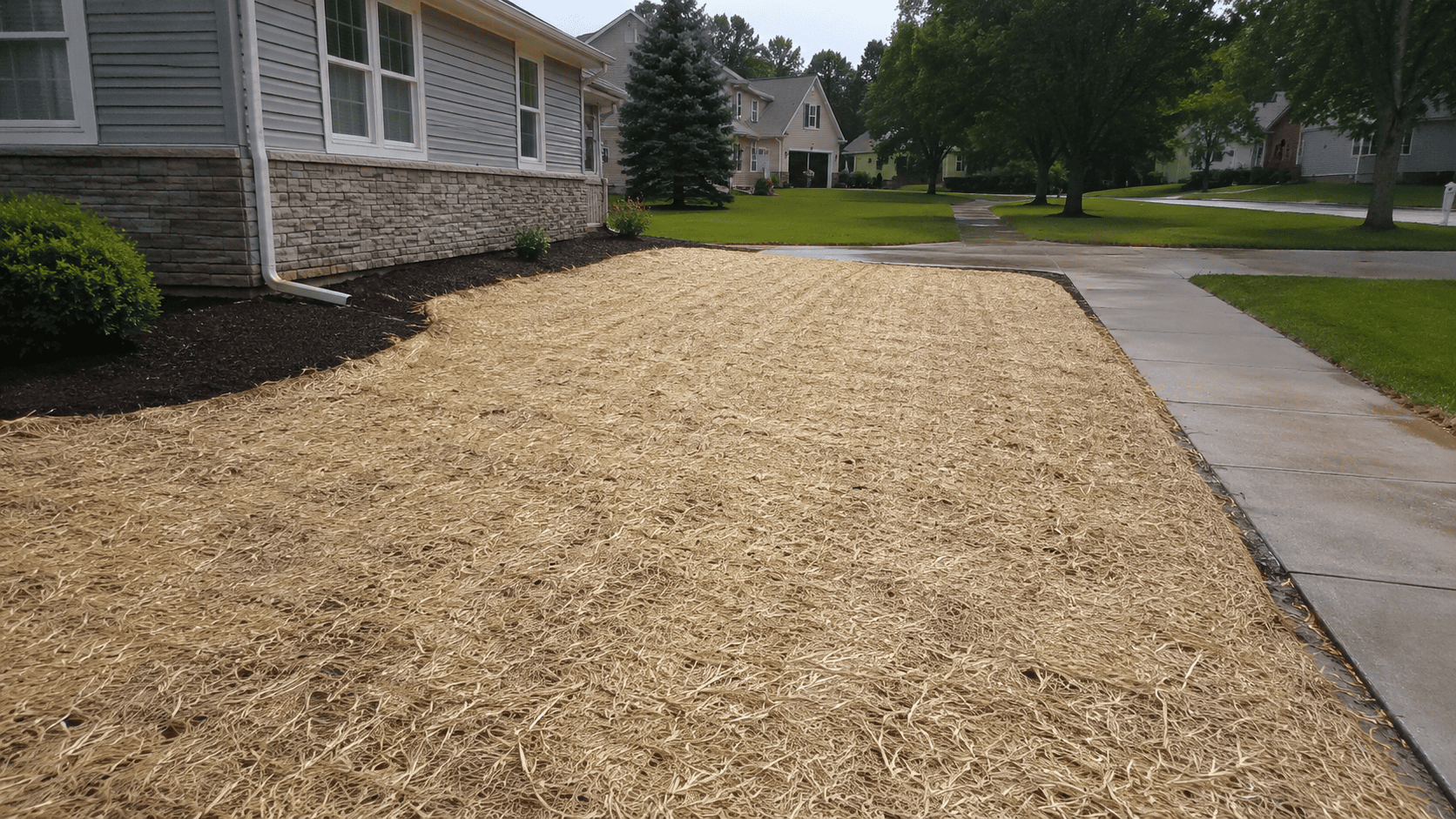
Soil stabilization focuses on helping disturbed ground recover after it has been left bare, loose, uneven, or exposed. When soil is not repaired correctly, rain can move it, low spots can hold water, and the area can become harder to mow, maintain, or use.
Midstate helps stabilize these areas through grading, yard drainage correction, hydroseeding, mulching, landscaping repair, and cleanup when needed. The goal is to help the ground hold up better after rain and look finished once the work is complete.
This service is for properties with:
Soil stabilization is different from simply throwing seed on bare dirt. The ground may need to be shaped, drained, covered, and protected so new growth has a better chance to take hold.
- Washout concerns
- Damaged turf
- Exposed slopes
- Drainage problems
- Areas that are hard to mow
- Loose or soft ground
- Muddy areas
- Low spots
- Rough grade
- Poor grass recovery
Need a Quote Quickly?
Whether the property has ruts, mud, bare soil, uneven grade, drainage issues, or unfinished ground, Midstate Land Solutions can help assess the surface repair work and recommend the next step.
Call (309) 824-1092 or simply click below.
Common Problems That Show Up When Soil Is Left Unprotected
Unprotected soil usually gets worse after weather moves through. Small bare spots spread. Low areas turn muddy, and slopes lose soil after heavy rains. Poor grades often will send water to the wrong parts of the property, making the damage show up somewhere else.
Common issues include:
- Ruts that hold water
- Bare soil that washes out
- Uneven ground that is hard to mow
- Exposed soil near slopes or ditches
- Poor drainage across disturbed ground
- Unfinished areas after the work is complete
- Muddy low spots
- Damaged turf
- Rough access areas
In Central Illinois, clay-heavy soil can make these problems worse. It holds water, compacts easily, and often needs more than seed alone to recover properly. If the ground is also rough, uneven, or damaged across a wider surface area, Midstate’s surface repair after utility work service can help restore the visible ground before stabilization work is completed.
Built for Companies, Contractors, and Property Owners
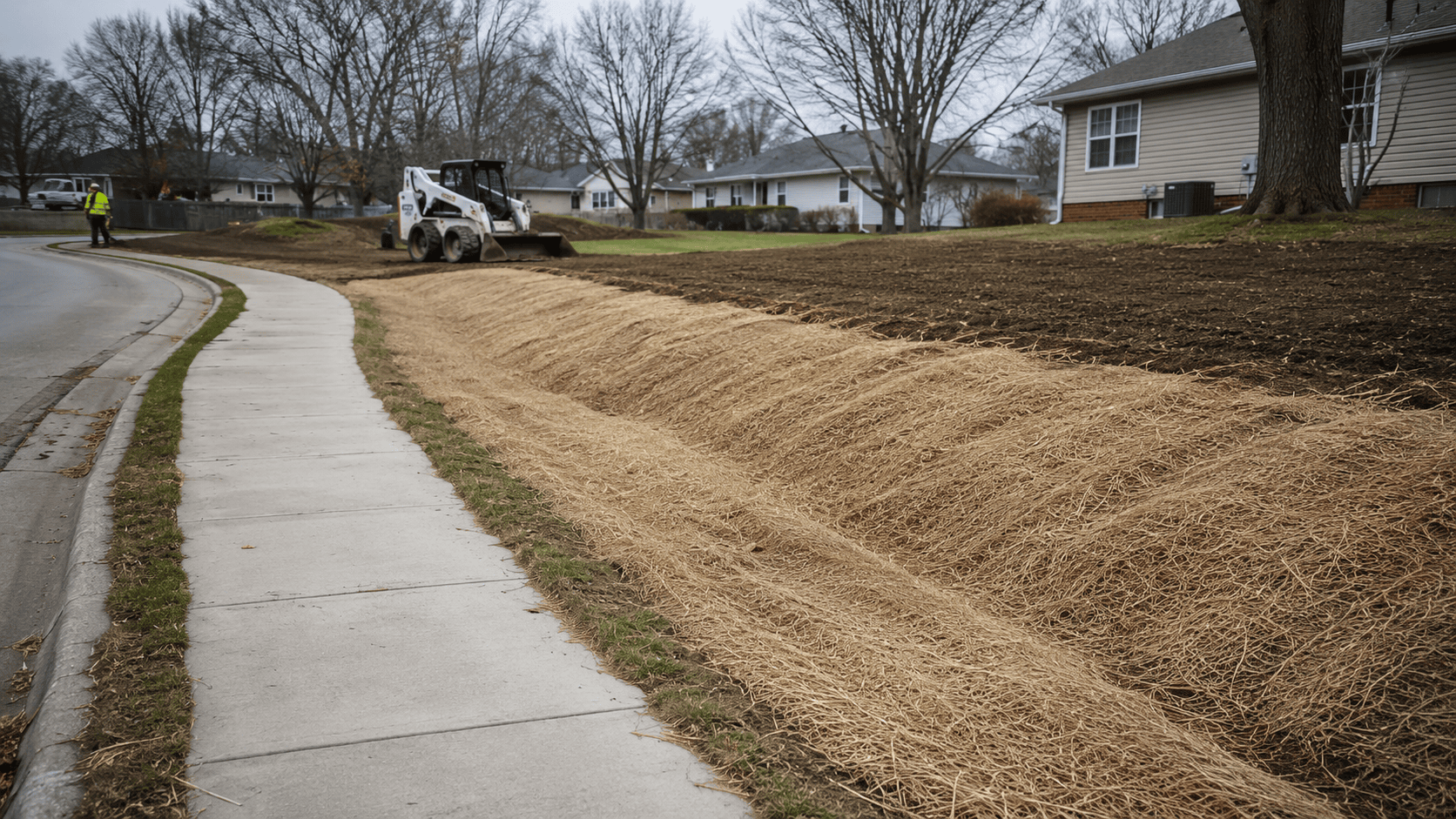
Surface repair helps a property look better, drain properly, and function the way it should after outside work has disturbed the ground.
For utility companies and contractors, it can help close out the property side of a job with fewer concerns. Municipalities and commercial property owners can also benefit from cleaner, safer, and easier-to-maintain outdoor areas. Meanwhile, homeowners and landowners get usable space back when ruts, mud, bare soil, or rough access areas are repaired.
When the damage goes beyond surface repair, Midstate can also help with broader land restoration after utility work through grading, drainage correction, hydroseeding, land clearing, mulching, landscaping repair, and cleanup.
How Midstate Gets Disturbed Soil Ready to Recover

Site Review
We check the grade, soil condition, drainage patterns, bare areas, muddy spots, slopes, low areas, turf damage, and cleanup needs. This helps us understand whether the site needs basic stabilization or a more complete repair.

Stablization Plan
Some areas may need grading and hydroseeding. Others may need drainage correction, mulching, land clearing, landscaping repair, or cleanup before the site can recover properly.

Ground Preparation
This may include smoothing rough soil, correcting low areas, improving drainage, clearing unwanted growth, or preparing the ground for hydroseeding.

Growth Support
After the ground is prepared, we help support growth. Hydroseeding can help cover bare soil, reduce erosion, and improve the finished appearance of disturbed ground.

Final Cleanup
Finally, we clean up the site so the repaired area looks more complete and is easier to maintain. A good stabilization project should leave the ground shaped, covered, and better prepared for weather.
Land Services That Support Soil Stabilization

 Land Grading
Land grading helps reshape rough or uneven ground so water moves better and the surface is easier to maintain.

 Hydroseeding
Hydroseeding helps cover exposed soil, support new grass growth, and improve the finished appearance of disturbed ground.

 Land Clearing
If brush, debris, or overgrowth prevents proper repair, land clearing can help open the area before grading or hydroseeding.
 Mulching
Mulching can improve appearance, reduce exposed ground, and finish restored areas near trees, slopes, beds, or cleared edges.
 Landscape Repair
When outdoor areas near homes, businesses, or public spaces are disturbed, landscaping repair can help the property look complete again.
 Yard Drainage
When low spots or runoff patterns are part of the problem, yard drainage correction can help reduce standing water and muddy areas.
Why Central Illinois Soil Needs the Right Approach
Central Illinois ground does not always recover on its own after it has been disturbed. Clay soil holds water. Bare areas wash out. Soft ground show ruts again if it is not repaired correctly. Also, freeze-thaw cycles can make low spots and an uneven grade can worsen over time. Because of this, soil stabilization should be planned around local ground conditions.
Midstate Land Solutions understands how Central Illinois properties respond after ground disturbance. Therefore, we focus on practical repair that helps the land drain better, grow back stronger, and stay easier to maintain.
How This All Connects to the Restoration System
Soil stabilization is one part of Midstate’s larger land restoration after utility work system for properties left bare, muddy, rough, rutted, or unfinished after outside work. When the ground needs broader surface repair, surface repair after utility work can help restore rough grade, bare soil, damaged turf, and uneven areas. Midstate specializes in the main problem being a rutted or muddy path used by crews or equipment, access area restoration focuses on repairing the access route and making it easier to maintain.
Depending on the property, soil stabilization may also involve land grading, yard drainage, hydroseeding, land clearing, or forestry mulching.
Service Area
Midstate Land Solutions provides utility site restoration across Central Illinois, including:
- Bloomington
- Normal
- LeRoy
- Heyworth
- Downs
- Hudson
- McLean County
- Clinton
- Lincoln
- Decatur
- Champaign
- Nearby rural and commercial areas
Soil Stabilization After Utility Work FAQs
Who fixes bare soil after utility work or outside property work?
Midstate Land Solutions helps stabilize bare soil after outside work leaves the ground exposed, loose, muddy, or uneven. Depending on the property, the repair may include grading, drainage correction, hydroseeding, mulching, landscaping repair, or cleanup. Read our full guide on who fixes bare soil after utility work.
Can hydroseeding help after ground has been disturbed?
Yes. Hydroseeding can help cover bare soil, support new growth, and improve the finished appearance of disturbed ground. However, the soil may need grading or drainage correction first if the area is uneven, muddy, or holding water. Read our full guide on hydroseeding after ground disturbance.
When does disturbed soil need grading before seeding?
Disturbed soil may need grading before seeding when the surface is uneven, compacted, rutted, sloped poorly, or holding water in low spots. Grading helps create a better surface so seed, hydroseed, or mulch has a stronger chance to work. Read our full guide on grading before seeding disturbed soil.
How do you stop disturbed soil from washing out after rain?
Stopping washout usually starts with fixing the shape of the ground and improving how water moves across the area. Depending on the site, the repair may include grading, drainage correction, hydroseeding, mulching, landscaping repair, or cleanup. Read our full guide on how to stop disturbed soil from washing out.
Schedule Soil Stabilization After Utility Work in Central Illinois
If outside work left behind bare soil, mud, low spots, washout concerns, drainage problems, or unfinished ground, Midstate Land Solutions can help.
We provide soil stabilization after utility work in Central Illinois for utility companies, contractors, municipalities, commercial property owners, homeowners, and landowners. Whether the site needs grading, drainage correction, hydroseeding, mulching, landscaping repair, or cleanup, we can take a look and recommend the right next step.
Tell us what happened, where the problem is, and what condition the ground is in now. We’ll help you figure out the best way to stabilize it.